Smartwatches For Glucose Monitoring: Revolutionizing Diabetes Management
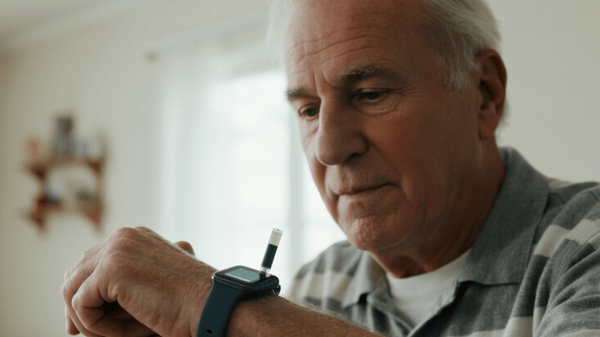
How Smartwatches Monitor Glucose
Smartwatches designed for glucose monitoring typically use non-invasive sensors or integrate with continuous glucose monitors (CGMs) to track blood sugar levels throughout the day. Key features include:
Continuous glucose tracking: Real-time updates help users understand trends and spikes.
Alerts and notifications: Smartwatches can notify users when glucose levels are too high or too low.
Integration with health apps: Data can sync with smartphones or cloud platforms for long-term tracking.
Lifestyle recommendations: Some devices provide insights on activity, nutrition, and sleep to help regulate glucose.
These features reduce the need for frequent manual testing while offering more comprehensive insights into glucose fluctuations.
Popular Smartwatches for Glucose Monitoring in the U.S.
While traditional smartwatches like the Apple Watch or Fitbit do not directly measure blood glucose, they can integrate with CGM devices such as Dexcom, FreeStyle Libre, or Abbott sensors. Some emerging smartwatches claim to offer non-invasive glucose sensing, though many are still undergoing clinical validation.
When searching, U.S. consumers often compare:
Compatibility with CGM devices
Ease of use and setup
Battery life and display quality
Integration with other health monitoring features
Benefits for Users
Convenience and Comfort: No finger-prick tests multiple times a day.
Real-time insights: Immediate notifications allow proactive adjustments to diet, activity, or medication.
Long-term health tracking: Continuous data supports better decision-making and doctor consultations.
Lifestyle management: Some devices offer activity tracking, sleep analysis, and stress monitoring, which indirectly affect glucose levels.
Accuracy and Reliability Considerations
Users are naturally concerned about accuracy:
Device calibration: Many smartwatches require calibration with a CGM or blood glucose meter.
Clinical validation: Check if the device has FDA clearance or peer-reviewed validation studies.
Consistency: Reading trends and relative changes are often more useful than single-point absolute accuracy.
How to Choose the Right Smartwatch
Determine glucose monitoring needs: Are you looking for continuous tracking, alerts, or data integration?
Check device compatibility: Ensure your smartwatch supports your preferred CGM device.
Evaluate software ecosystem: Health apps, cloud storage, and report generation can simplify data analysis.
Consider battery life and wearability: Long battery life and comfortable design increase adherence.
Budget: Prices vary widely; some CGM-compatible smartwatches are premium devices.
Additional Tips for Users
Consult healthcare professionals: Discuss your monitoring goals and device selection with a doctor or diabetes educator.
Combine with lifestyle strategies: Diet, exercise, and stress management remain essential.
Stay updated on technology: Non-invasive smartwatches are rapidly evolving; new FDA-cleared devices may offer improved features.
Conclusion
Smartwatches for glucose monitoring represent a revolutionary approach to diabetes management, combining convenience, real-time insights, and integrated health tracking. By understanding device options, evaluating accuracy, and choosing compatible models, users can proactively manage blood sugar, improve health outcomes, and reduce the burden of traditional testing methods. With continued advancements, these wearables may become essential tools for anyone seeking smarter, more efficient glucose management.