Camper Van: Your Complete Guide to Buying, Renting, and Van Life
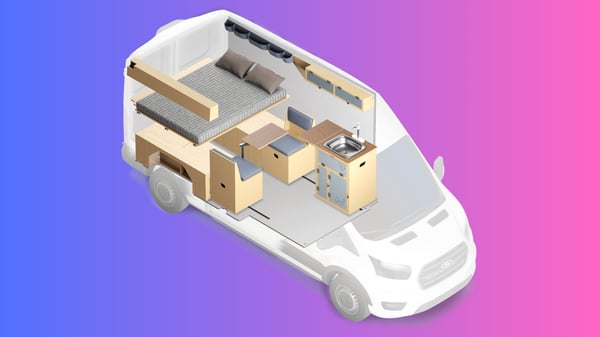
What Is a Camper Van?
A camper van is a vehicle designed or modified to include living accommodations, typically for sleeping, cooking, and storage. Unlike larger RVs, camper vans are easier to drive, park, and maneuver while still offering essential amenities. Popular choices range from factory-built Class B vans to customized DIY conversions.
Types of Camper Vans
Class B Camper Vans These are compact, factory-built vans with integrated sleeping, kitchen, and storage solutions. Ideal for solo travelers or couples, they are easy to drive and maintain.
Conversion Vans / DIY Camper Vans Many enthusiasts convert standard cargo vans into personalized camper vans. These conversions allow for full customization, including beds, kitchens, solar panels, and storage solutions.
Pop-Top and High-Top Vans Pop-top roofs provide additional sleeping space or standing room. High-top vans offer extra headroom and are popular for full-time van life or extended trips.
Buying or Renting a Camper Van
Whether you are new to van life or an experienced traveler, deciding whether to buy or rent is crucial.
Buying: Purchasing a camper van is a long-term investment. New or used vans can range from $30,000 to $100,000+, depending on make, model, and customizations.
Renting: Renting is ideal for short-term trips or testing van life before committing to a purchase. Daily rental rates typically range from $100 to $300, with higher prices during peak seasons. Popular rental platforms include Outdoorsy, RVshare, and local van rental companies.
DIY Camper Van Conversion Tips
Converting a van yourself can be both cost-effective and rewarding. Key considerations include:
Layout planning: Optimize sleeping, cooking, and storage space
Electrical system: Install solar panels or auxiliary batteries
Insulation and ventilation: Maintain comfort in varying weather
Kitchen setup: Include portable stoves, sinks, or mini-fridges
Safety features: Secure furniture, install fire extinguishers, and ensure proper ventilation
DIY conversions typically cost $5,000–$50,000 depending on materials, labor, and installed amenities.
Essential Camper Van Accessories
A well-equipped camper van enhances comfort and convenience. Popular accessories include:
Solar panels and batteries for off-grid power
Portable refrigerators or coolers
Foldable tables, chairs, and storage bins
Water tanks and filtration systems
Roof racks and bike carriers for outdoor activities
Selecting high-quality, durable products ensures long-term reliability for your travels.
Camper Van Travel Tips
Plan your route: Research national parks, campgrounds, and off-grid locations
Check parking rules: Many cities have restrictions for overnight parking
Pack light and smart: Maximize space and accessibility
Stay connected: Use apps for navigation, campsite reservations, and local tips
Embrace the lifestyle: Camper van travel is as much about flexibility and experience as it is about destinations
Conclusion
Camper vans offer an unparalleled combination of mobility, comfort, and adventure. Whether buying or renting, DIY converting or choosing a factory-built van, careful planning and the right accessories can make your van life journey safe, enjoyable, and memorable. With proper preparation, a camper van can become more than just a vehicle—it can be your home on wheels, opening the door to countless travel opportunities.